

Dealing with lice infestations can be particularly challenging when you have long hair. The dense and lengthy strands provide an ideal environment for lice to thrive, making it harder to detect and eliminate them completely. In this comprehensive guide, we will explore the most effective methods and treatments to eradicate lice from Best Lice Treatment for long hair ensuring a thorough and lasting solution.
Understanding Head Lice
Head lice are small, wingless insects that live on the human scalp and feed on blood. They are highly contagious and can spread rapidly through close personal contact or by sharing personal items like hats, combs, and brushes. The most common symptoms of hair lice infestation include intense itching, visible nits (lice eggs) attached to hair shafts, and the sensation of something moving on the scalp.
Challenges of Treating Lice in Long Hair
Treating lice in long hair presents unique challenges:
Increased Surface Area: Long hair provides more area for lice to inhabit, making it more difficult to ensure all lice and nits are eradicated.
Tangled Hair: Long hair is more prone to tangling, which can complicate the application of treatments and the combing process.
Time-Consuming: The longer the hair, the more time it takes to apply treatments and meticulously comb through each section to remove nits.
Effective Lice Treatments for Long Hair
1. Over-the-Counter (OTC) Lice Treatments
OTC treatments are readily available and can be effective when used correctly. Here are some popular options:
Permethrin-Based Shampoos: Products like Nix and Rid contain permethrin, a synthetic chemical that kills lice. Follow the instructions carefully, ensuring thorough application to all areas of the scalp and hair.
Pyrethrin-Based Shampoos: Similar to permethrin, pyrethrin is a natural insecticide derived from chrysanthemum flowers. It is found in products like A-200 and Pronto. These treatments also require precise application to ensure efficacy.
2. Prescription Medications
For severe or resistant lice infestations, prescription treatments may be necessary:
Ivermectin Lotion (Sklice): Applied to dry hair and scalp, ivermectin is effective in killing lice and preventing newly hatched lice from surviving.
Spinosad Topical Suspension (Natroba): Spinosad kills both lice and their eggs. It is applied to dry hair and left on for 10 minutes before rinsing out.
3. Natural Remedies
Natural remedies can be a gentler alternative, especially for sensitive scalps:
Tea Tree Oil: Known for its insecticidal properties, tea tree oil can be mixed with a carrier oil and applied to the scalp and hair. Leave it on for at least 30 minutes before rinsing and combing out the lice.
Coconut Oil: This oil can suffocate lice, making it easier to comb them out. Apply generously to the scalp and hair, leave on for several hours or overnight, then comb through and rinse.
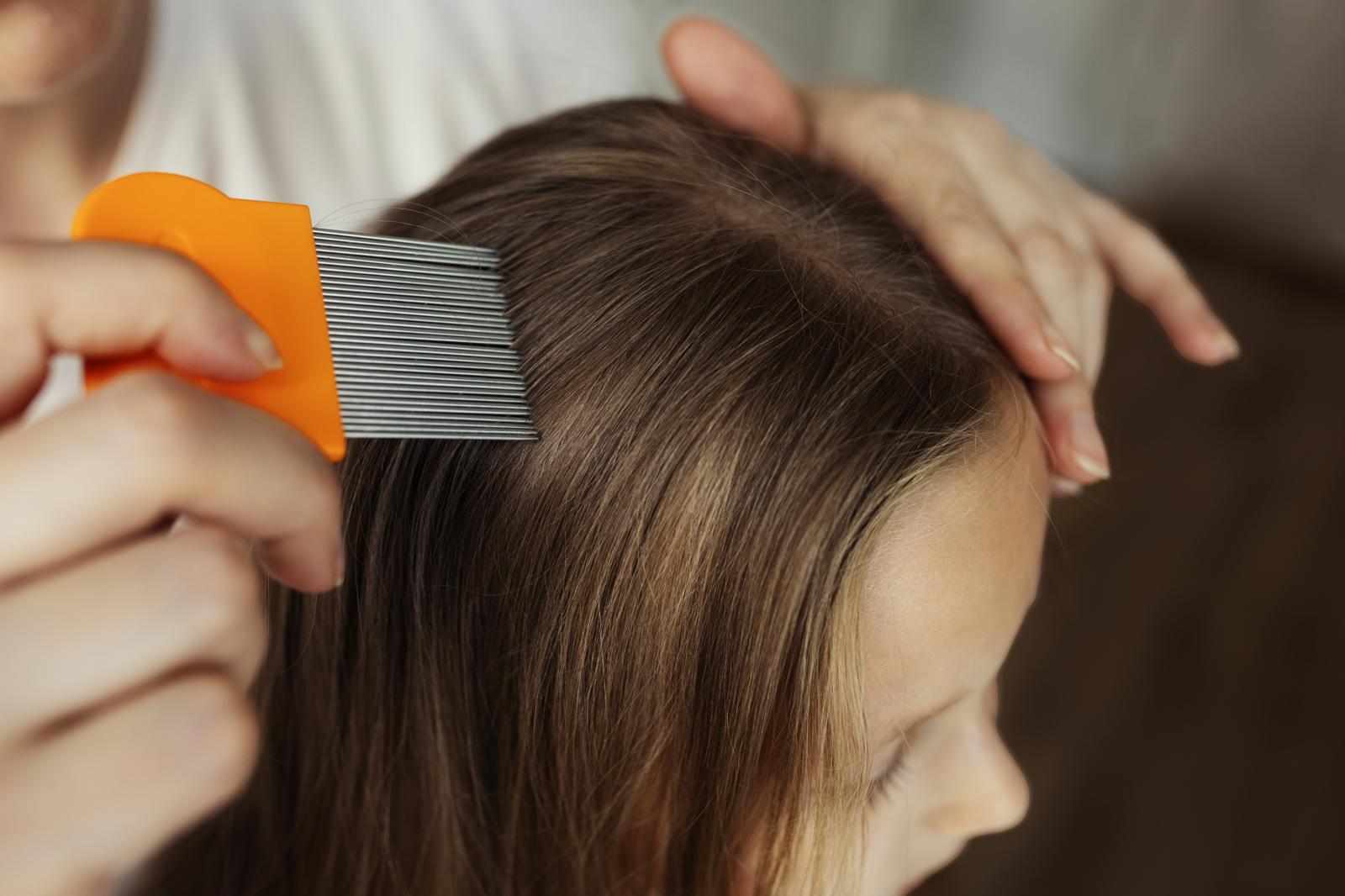
4. Manual Removal with a Fine-Toothed Comb
Using a fine-toothed lice comb is essential for removing nits and lice from long hair:
Step-by-Step Process:
Wet the hair and apply a generous amount of conditioner to detangle.
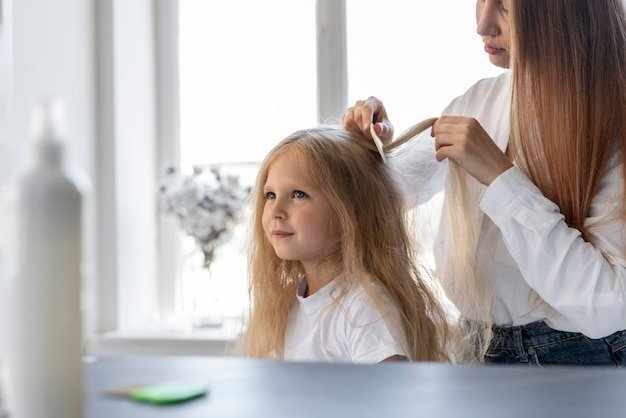
Section the hair into small parts to ensure thorough combing.
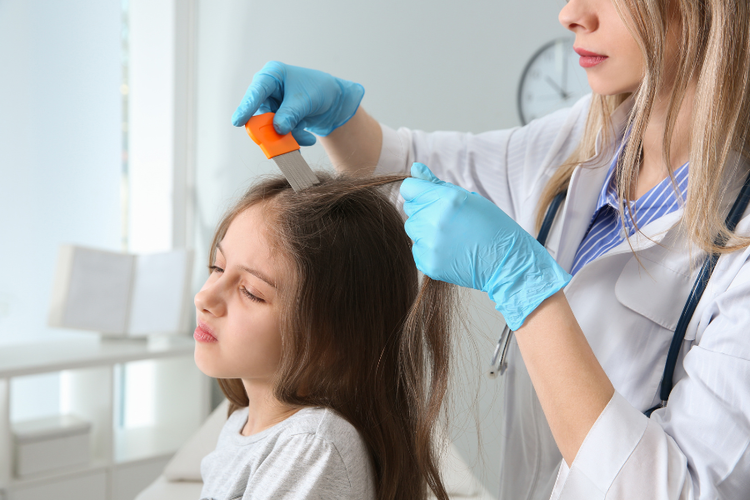
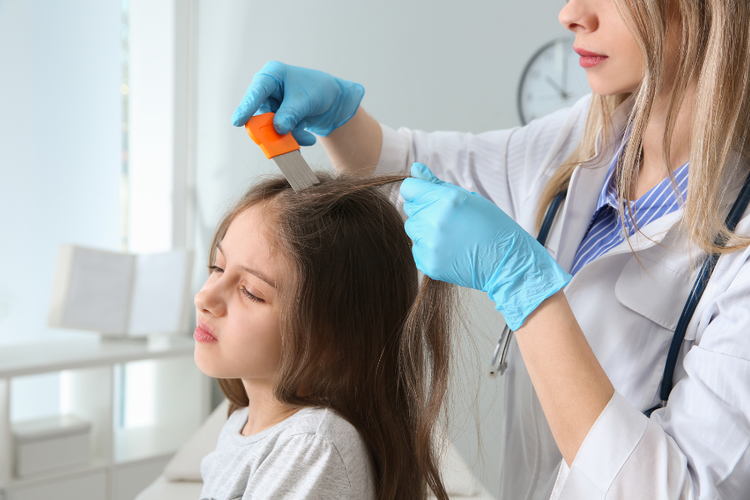
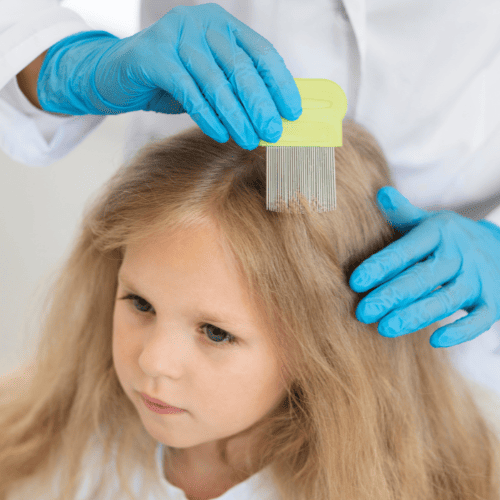
Use a fine-toothed comb to meticulously comb through each section, starting from the scalp to the ends of the hair.
Wipe the comb on a white tissue after each pass to check for lice and nits.
Repeat this process every 3-4 days for at least two weeks to ensure all lice and nits are removed.
5. Professional Lice Removal Services
For those who find it challenging to deal with lice at home, professional lice removal services can be a valuable resource. These services offer trained technicians who use specialized tools and techniques to effectively eliminate lice and nits.
Preventing Reinfestation
Preventing reinfestation is crucial to avoid going through the treatment process again:
Clean Personal Items: Wash all bedding, clothing, and personal items in hot water and dry on high heat. Items that cannot be washed can be sealed in plastic bags for two weeks.
Avoid Sharing Personal Items: Do not share combs, brushes, hats, or other personal items that come into contact with hair.
Regular Inspections: Perform regular head checks, especially in children, to catch and treat any new lice infestations early.
When to See a Doctor
While many lice infestations can be managed at home, certain situations warrant professional medical advice:
Persistent Infestations: If lice persist after several treatments, consult a healthcare provider for stronger prescription options.
Allergic Reactions: If a person experiences an allergic reaction to lice treatments, seek medical attention immediately.
Secondary Infections: Scratching due to lice can lead to secondary bacterial infections on the scalp. If signs of infection are present, such as redness, swelling, or pus, consult a doctor.
Conclusion
Effectively treating lice in long hair requires a combination of the right products, diligent application, and thorough combing. By understanding the challenges and utilizing the most effective treatments, you can successfully eradicate lice and prevent future infestations. Remember to follow all instructions carefully and consider professional help if needed.


Write a comment ...